Can a company own a colour?
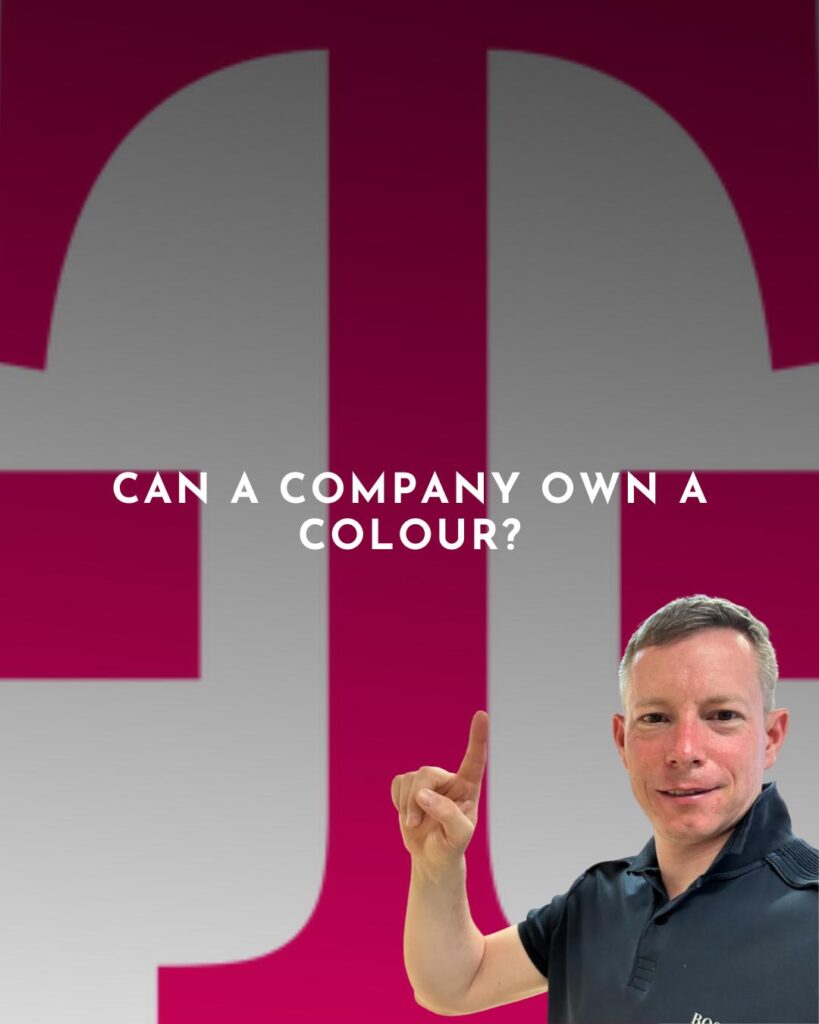
Deutsche Telekom has been associated with magenta for decades – and not just from a marketing perspective. The company owns an EU trade mark protecting a specific shade: Magenta RAL 4010.
Deutsche Telekom has been associated with magenta for decades – and not just from a marketing perspective. The company owns an EU trade mark protecting a specific shade: Magenta RAL 4010.

It happens more often than you think! When major brands battle over colors, the legal battle rarely hinges on the palette alone-it comes down to The Power of Context.
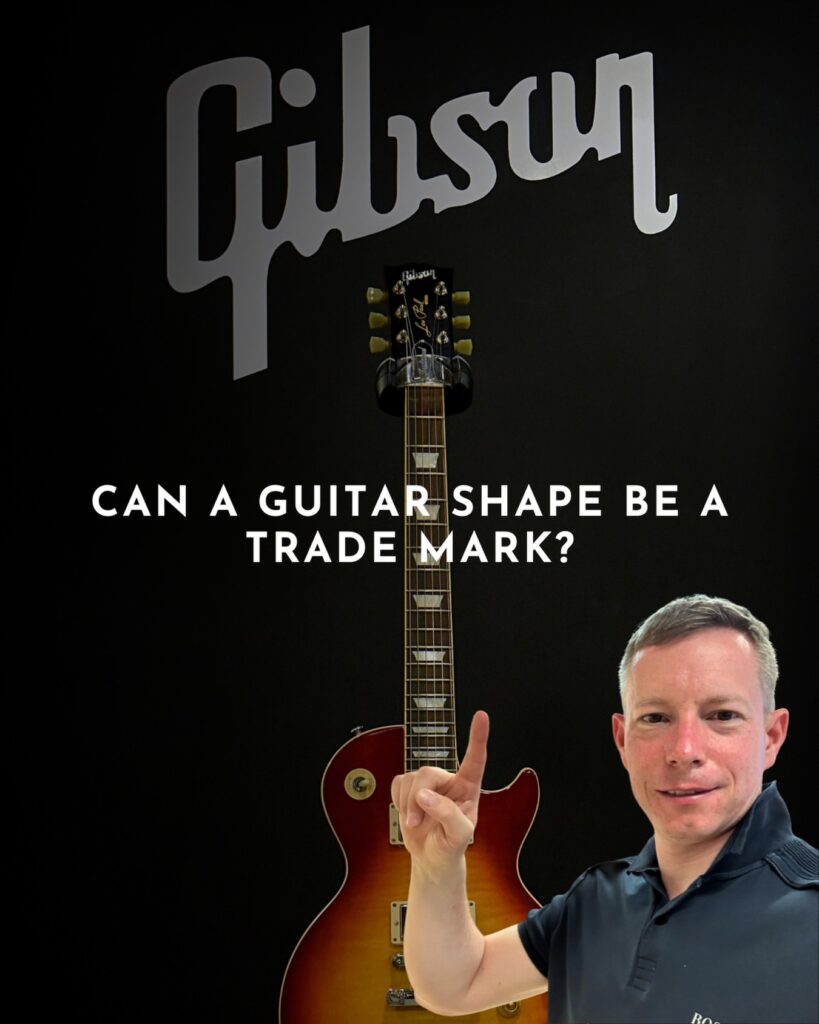
A guitar shape can be protected not only by copyright – it may also function as a trade mark!
This is exactly what was at stake in the dispute between Gibson and Dean Guitars. Gibson accused Armadillo Distribution Enterprises, the owner of Dean Guitars, of infringing trade marks protecting several of its iconic guitar designs, including the Flying V, Explorer and SG body shapes.
When an iconic design is copied across an industry for decades, trademark courts can rule the outline “generic”—destroying source protection. 📉 But losing trademark exclusivity doesn’t mean your design is free for competitors to steal! Smart creators rely on Applied Art Copyright as a robust second line of defense.
Many creators worry that using a familiar settingm or casting a famous genre actor will trigger a massive copyright lawsuit.
In copyright law, the boundary between legal inspiration and illegal copying comes down to one fundamental principle: Idea vs. Expression. 💡

Of course it can! This is perfectly illustrated by the example of the TV series “Grey’s Anatomy”.
“Grey’s Anatomy” is now more than just the name of a popular medical drama. It is also a recognisable brand that can be protected as a trade mark and function beyond the screen itself.
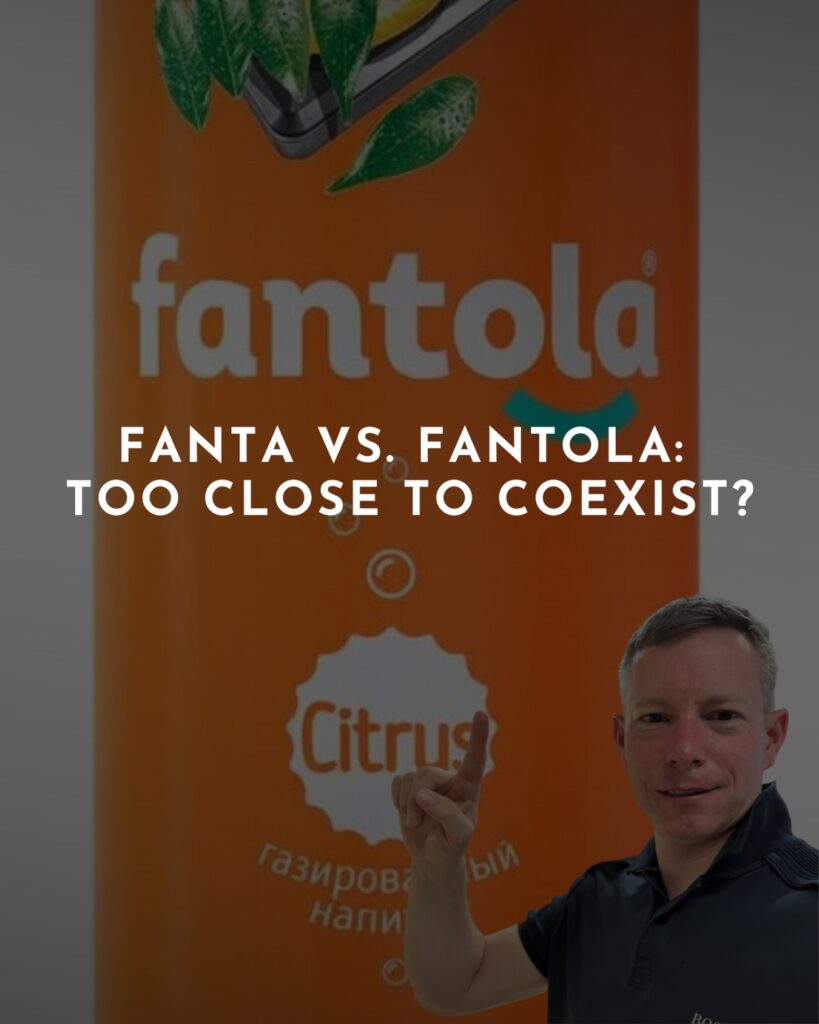
The Coca-Cola Company is known for its very comprehensive brand protection strategy.
This time, The Coca-Cola Company – which also owns the ‘Fanta’ brand – attempted to block the registration of the FANTOLA trademarks for various snacks and beverages, owned by the Russian company Aqualife.
Announcing or testing a new business name without legal protection opens the door for competitors to snatch it right out from under you.
Under trademark law, an Intent-to-Use (ITU) filing allows you to lock down priority rights to your name while your product is still in development!
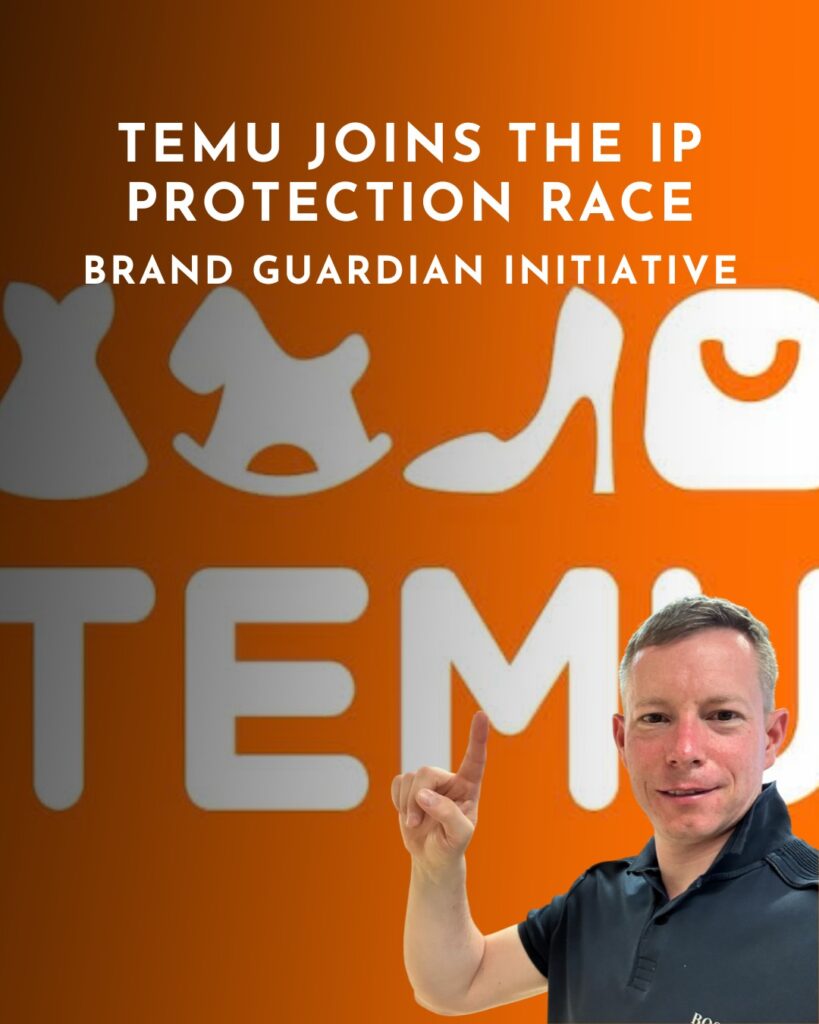
Not only is TikTok stepping up its efforts to protect intellectual property, other e-commerce platforms are also developing similar solutions.

Social commerce moves at lightning speed. Unlike traditional web stores with static listings, social platforms thrive on short-form video ads, viral trends, and live-stream shopping.
Because infringing products can appear and disappear in hours, traditional manual „Notice-and-Takedown” enforcement is no longer enough to protect your revenue and reputation.