The Jack Daniel’s v Bad Spaniels case shows that a successful parody is not always entirely legally safe.
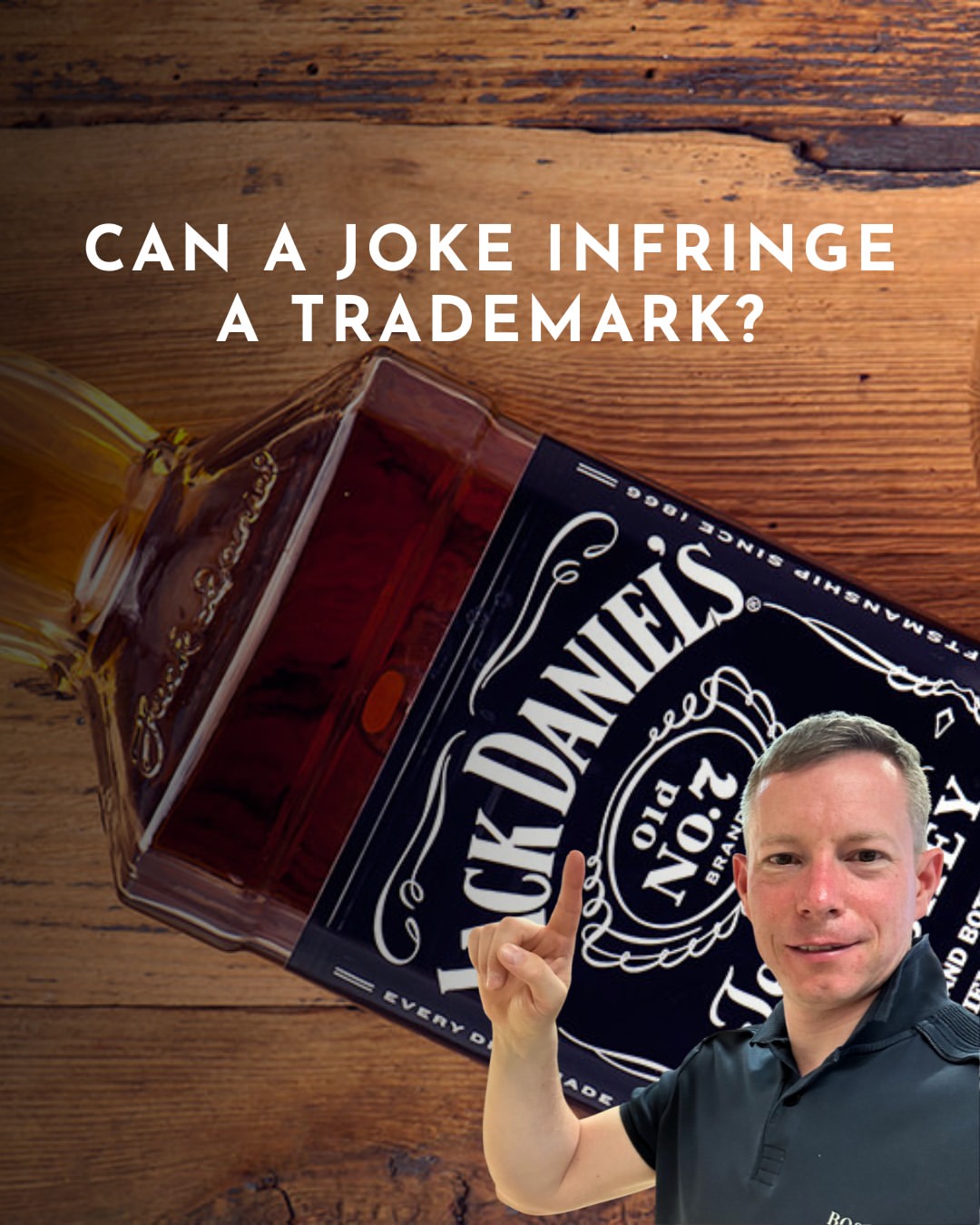
In this case, the parties were Jack Daniel’s, with its trademarks and the distinctive design of its Tennessee Whiskey bottle – featuring a square shape, a ribbed neck, a black-and-white label, a decorative border and arched lettering – and VIP Products, with its rubber dog toy ‘Bad Spaniels Silly Squeaker’. On the toy, the name ‘Jack Daniel’s’ was replaced with ‘Bad Spaniels’, ‘Old No. 7’ was changed to ‘Old No. 2’, and ‘Tennessee Whiskey’ to ‘Tennessee Carpet’. The label also featured jokes relating to dog poo, including ‘43% POO BY VOL.’ and ‘100% SMELLY’.
The dispute began in 2014, when Jack Daniel’s demanded the toy be withdrawn, arguing that the product infringed its trade mark rights and the distinctive appearance of its packaging, and furthermore damaged the brand’s reputation.
Finally, in January 2025, the US Supreme Court ruled that ‘Bad Spaniels’ was a clear parody and was not likely to mislead consumers.
At the same time, the court found that the reputation of the well-known marks had been weakened by tarnishment, as the similarity of the products evoked the Jack Daniel’s brand, linking it to unpleasant associations that could damage its reputation.
The conclusion? Humour may be relevant when assessing the risk of confusion, but it is not an automatic shield against other claims.