When a traditional store imports inventory, they face strict legal responsibilities to...
Why can online platforms ship products that physical retail stores would get sued for? 📦✈️
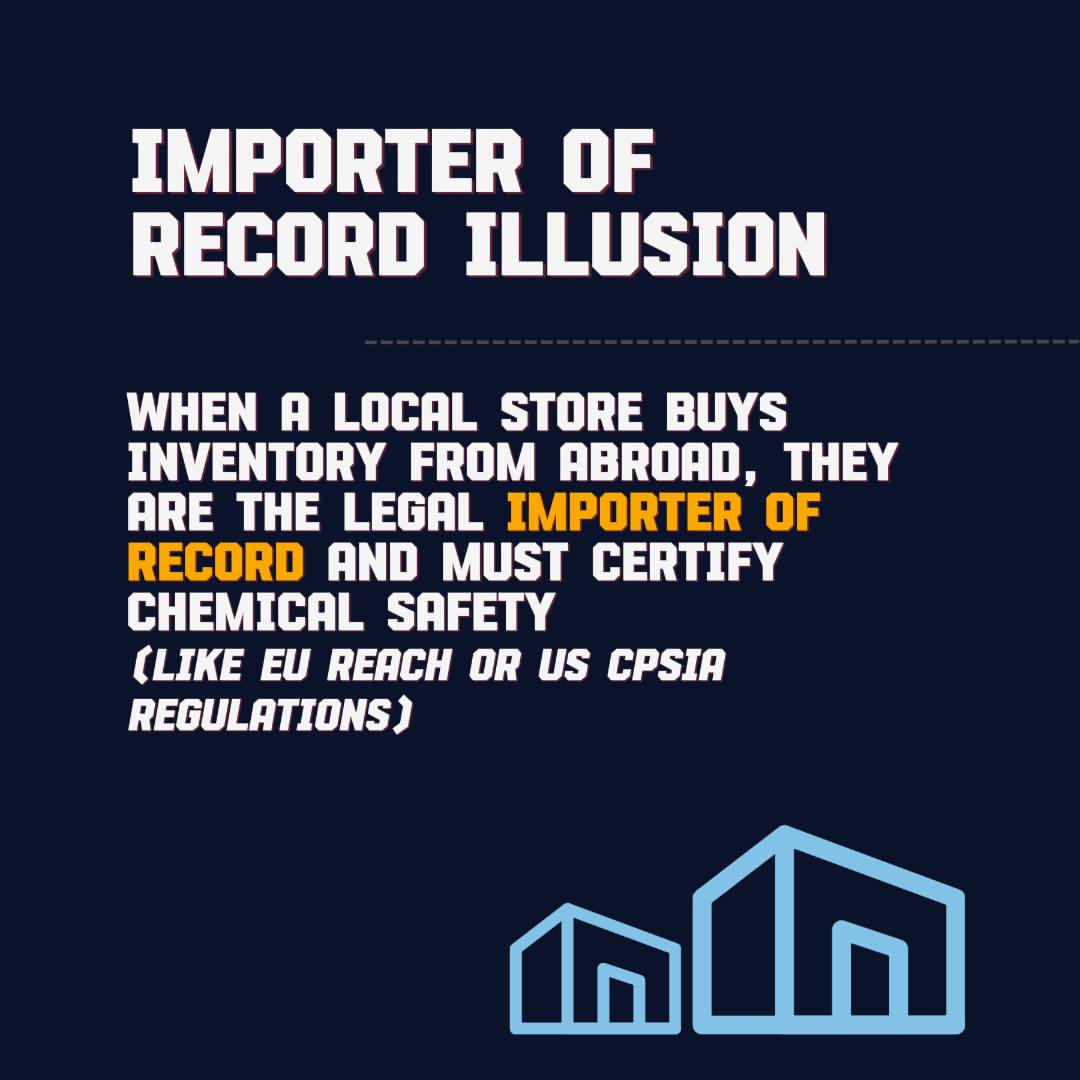
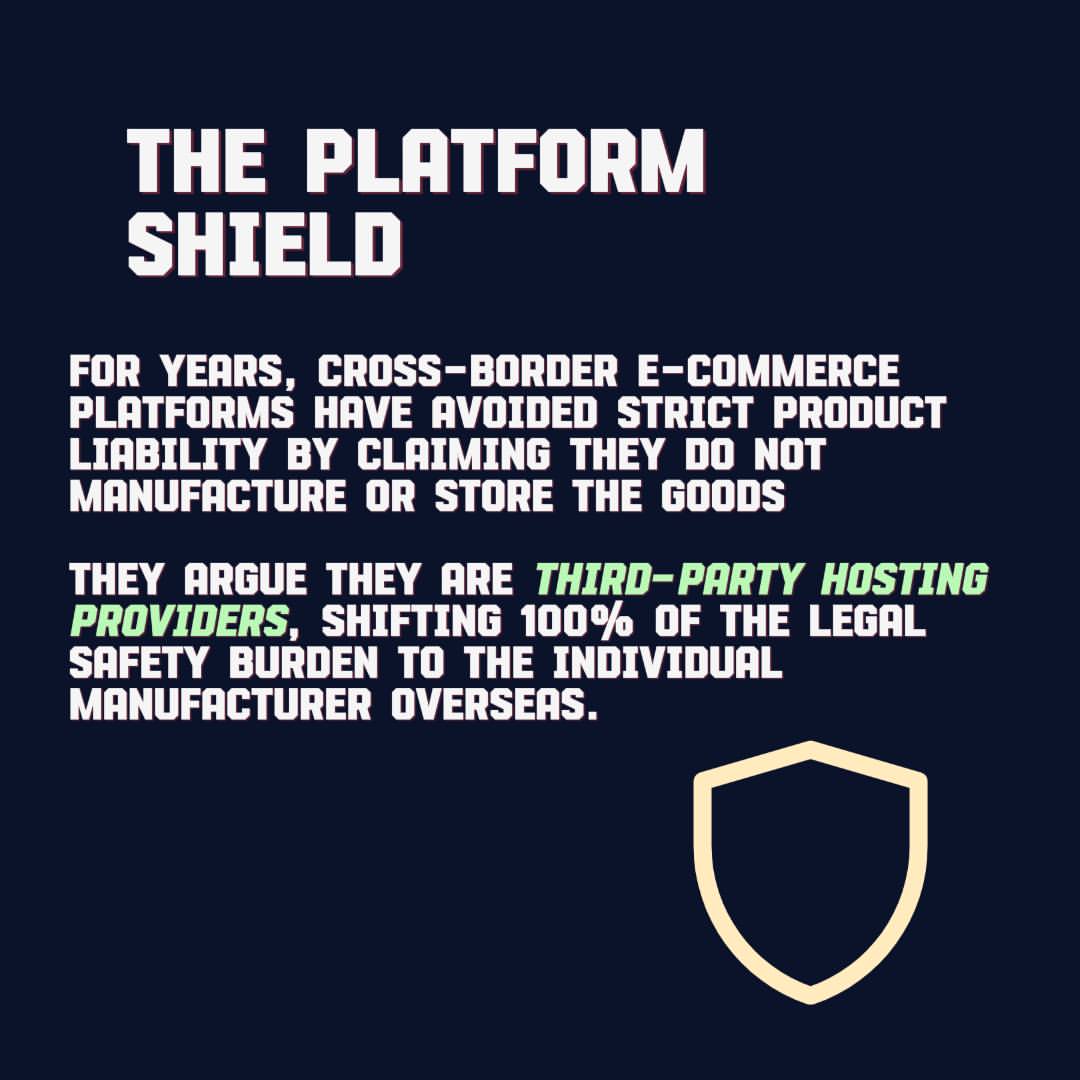
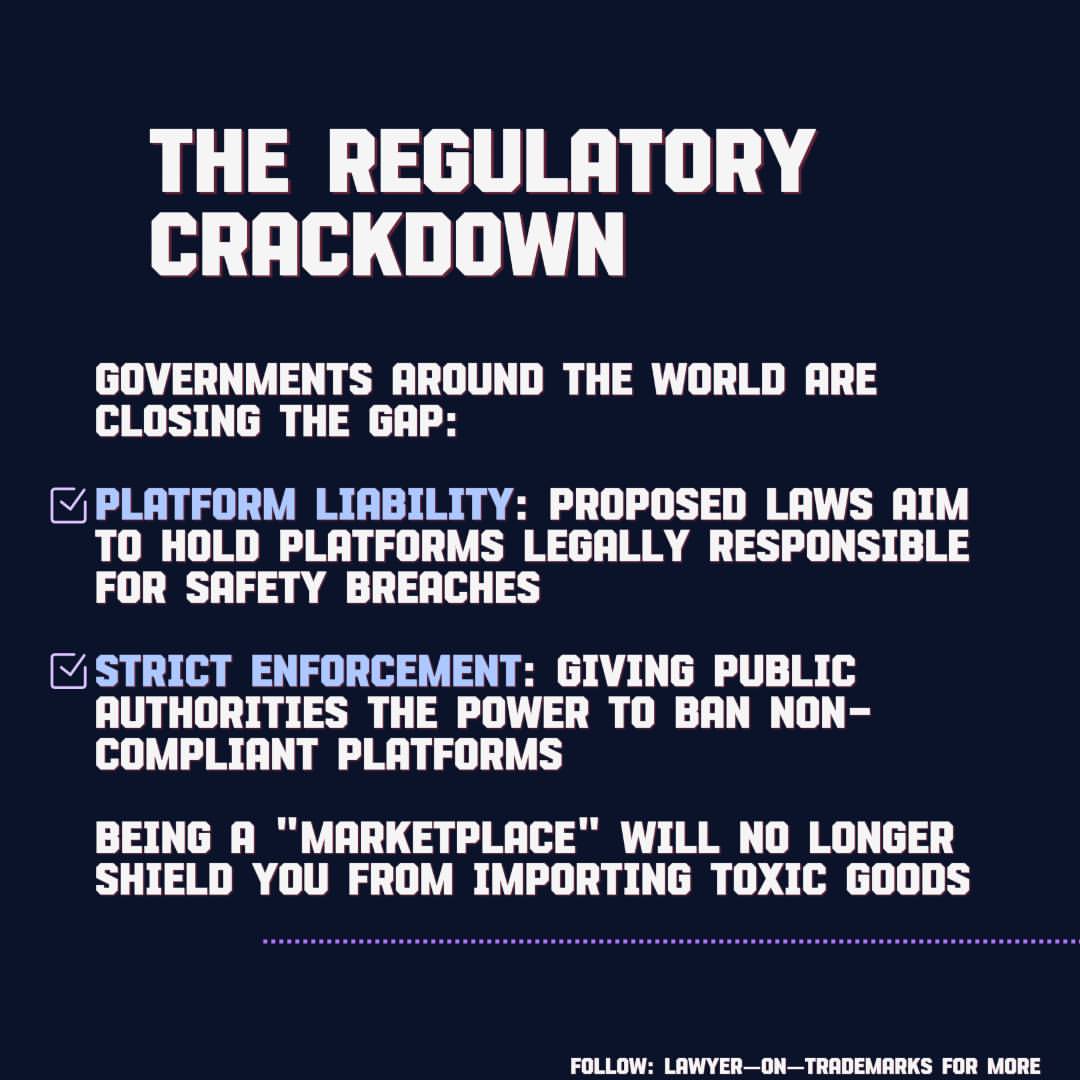
When a traditional store imports inventory, they face strict legal responsibilities to certify that every item is safe, chemical-free, and compliant with local laws. But the rise of direct-to-consumer e-commerce has exposed a massive regulatory gap. 🏛️🔍 By shipping individual, low-value packages directly from factories to residential doors, platforms have long claimed they are merely “intermediaries” rather than importers, shifting the legal compliance burden onto the consumer. 🛡️💻 But the legal landscape is shifting fast. Regulators are stepping in to hold platforms strictly liable for what they bring across the border.
Swipe through to discover: ⚖️ The Importer of Record Illusion: How direct-to-consumer shipping bypasses traditional safety checkpoints. 🛡️ The Platform Shield: Why hosting third-party sellers has shielded major apps from product liability. 📦 The Power of Small Packages: Why customs scanners miss the millions of individual air mail packages arriving daily. 🚨 The Regulatory Crackdown: How new laws aim to hold online marketplaces responsible for toxic or non-compliant goods.
The days of avoiding liability through intermediary status are coming to an end. In a modern global economy, compliance is no longer optional! 🚀📈